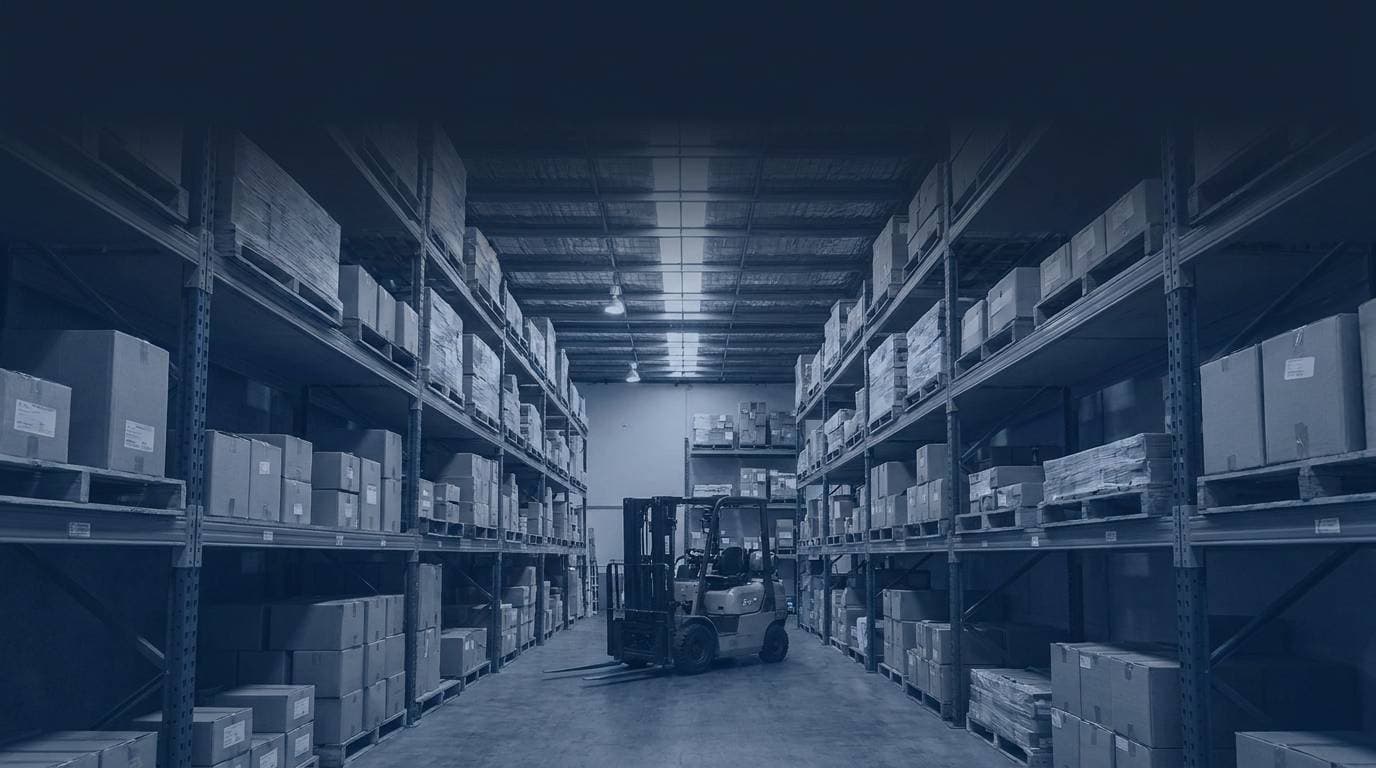
Real-time visibility for a 30-year family furniture business
How a family-run nursery furniture manufacturer stopped tracking shipments by hand, cut clerical errors to zero, and gave leadership a live view of every shipment.
Growing faster than the process behind it
Seena Living has been family-run for over 30 years, and sells direct to families and through major Australian stockists. Behind the brand, logistics ran almost entirely by hand.
Every update from factories and freight forwarders had to be read, extracted and filed manually, which cost the team 5 to 10 hours a week on its own. Shipment data, payment logs and supplier documents were scattered across email, shared folders and spreadsheets, with no single source of truth.
Without a live view, the team relied on manual checks for ETAs, payments and container statuses, which slowed planning and forecasting. And because none of it was automated, the process leaned heavily on Steven and the sourcing team personally, which capped how far the business could scale without adding headcount.
Finding the real bottleneck
In the audit and discovery session, it became clear that Seena Living’s growth wasn’t limited by product quality, market knowledge or team effort. All three were already strong.
The constraint was structural: nothing connected the inbox, the file system and the tracking spreadsheet, so every shipment depended on someone manually noticing, reading and re-entering the same information.
Given what the family had built over 30 years, the opportunity wasn’t to add more people. It was to give the existing team more leverage, so leadership could focus on supplier strategy and growth.
“The team communicated well the whole way through, always upfront about timelines and what was happening next. It went in without disrupting how we actually work day to day. Now the shipment data just tracks itself, and the errors we used to deal with from manual entry are basically gone. It’s given us real visibility we didn’t have before.”

Four things worth taking away
The constraint was time, not process knowledge
John already understood the workflow. What was missing was something connecting it end to end.
A connected process beats a better spreadsheet
The value wasn’t a nicer tracker. It was information being entered once and reaching everyone who needed it.
Zero errors build trust fast
Removing clerical and double-entry errors mattered to leadership as much as the hours saved.
The return is leverage, not headcount
Seena Living didn’t need to hire to scale. It needed the existing team working at full capacity.
Find out where AI earns its place in your business.
A 20-minute conversation about where the business is stuck and where you want it to go. If we're not the right fit, we'll say so.
Book a discovery call →